


Climate risks of housing corporation homes
We analysed 830,000 housing corporation homes for their exposure to climate impacts
Customer
Location
Duration
Read more
Ministry of the Interior and Kingdom Relations (VRO) and the Netherlands Enterprise Agency (RVO)
The Netherlands
2024 – 2025
Climate risks of housing corporation homes
We analysed 830,000 housing corporation homes for their exposure to climate impacts
Customer
Location
Duration
Read more
Ministry of the Interior and Kingdom Relations (VRO) and the Netherlands Enterprise Agency (RVO)
The Netherlands
2024 – 2025
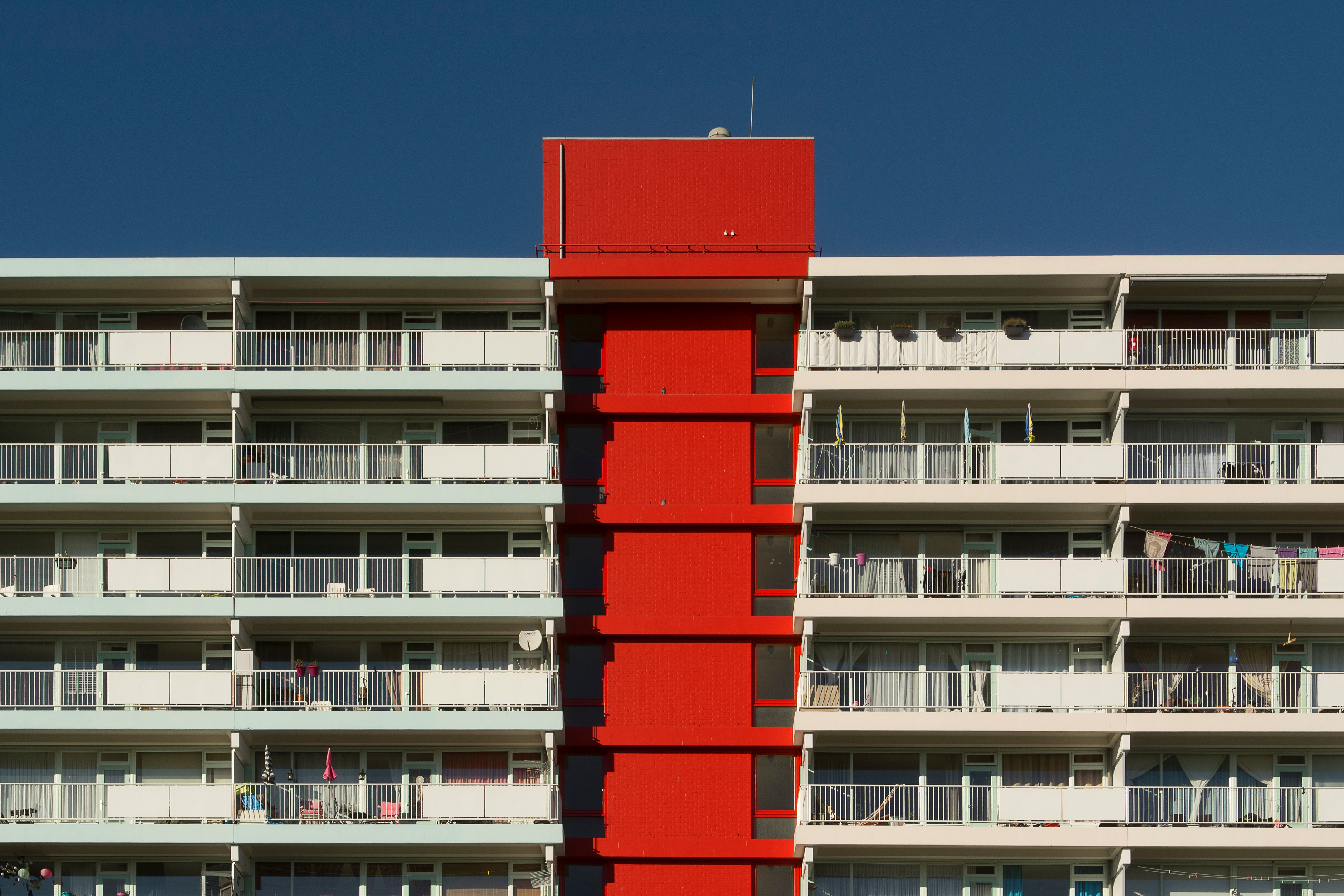
Housing corporations manage a large part of the Dutch housing stock. Climate change means their tenants face more heat, drought, heavy rain, and flooding. Together with the Dutch Green Building Council (DGBC), we analysed the climate risks of 830,000 housing corporation homes. The Ministry of Housing and Spatial Planning (VRO) and the Netherlands Enterprise Agency (RVO) commissioned the study. It is the first large-scale study of its kind in the Netherlands.

Why this project?
In 2024 and 2025, forty housing corporations followed a training on the Framework for Climate Adaptive Buildings (FCAB). The training helped them analyse the climate risks facing their homes. It showed that many corporations wanted a joint first analysis. This makes the results easier to compare, and saves each corporation time and effort.
What did we do?
We calculated the exposure score for the housing stock of 53 corporations: 830,000 homes in total. That is more than a third of all housing corporation homes in the Netherlands, and about 10% of the entire Dutch housing stock. We used open data from the Climate Impact Atlas for this. We combined the results in the report Effect of climate change on housing corporations [in Dutch]. Each participating corporation also received its own analysis, broken down by building. This way, every corporation knows exactly where the biggest risks lie.
The Exposure Score is the first step in the Framework for Climate Adaptive Buildings (FCAB). The score shows how much homes will be exposed, by 2050, to eight climate impacts related to heat, drought, flooding from heavy rain, and flooding from rivers or the sea.
What are the results?
On average, housing corporation homes are hit harder by climate change than the average Dutch home:
- 75% of housing corporation homes have medium to high exposure to heat stress from warm nights. The national average is 55%.
- 37% have a higher risk of groundwater flooding.
- 33% have a higher risk of flooding from heavy rainfall.
Some homes also have foundation problems, such as pile rot and differential settlement. These can add substantially to the cost per home.
What was our role?
CAS carried out the data analysis. We linked the addresses of the 830,000 housing corporation homes to buildings in the Buildings and Addresses Database (Basisregistratie Adressen en Gebouwen, BAG). We then calculated the exposure score for each building, based on maps from the Climate Impact Atlas. We also helped write the research report. The DGBC led the project, ran the training for the corporations, and manages the FCAB method. Together, we translated the results into conclusions and recommendations for the housing corporation sector.
What makes this project special?
This is the first large-scale study into the impact of climate change on housing corporations in the Netherlands. On November 6, 2025, we presented the report to Liesbeth Spies, chair of Aedes, at the Klimaattop Gebouwde Omgeving (Built Environment Climate Summit). The results drew attention from national media, and came up in the political debate on housing and climate adaptation. At the DGBC, they have noticed that climate risks are now, suddenly, on the table at housing corporation boards because of these analyses.
What are the next steps?
With the exposure score as a foundation, corporations can now take the next step in the FCAB: determining the building score. This score shows how vulnerable individual homes are. Many participating corporations have already started this step. In the end, these insights should lead to concrete measures, such as adding greenery to paved neighbourhoods. This requires cooperation with municipalities, water authorities, financial parties, and residents. The report also recommends expanding the study to the entire housing corporation sector. The industry association Aedes supports this, and is already helping corporations apply the FCAB and address climate risks.
Why this project?
In 2024 and 2025, forty housing corporations followed a training on the Framework for Climate Adaptive Buildings (FCAB). The training helped them analyse the climate risks facing their homes. It showed that many corporations wanted a joint first analysis. This makes the results easier to compare, and saves each corporation time and effort.
What did we do?
We calculated the exposure score for the housing stock of 53 corporations: 830,000 homes in total. That is more than a third of all housing corporation homes in the Netherlands, and about 10% of the entire Dutch housing stock. We used open data from the Climate Impact Atlas for this. We combined the results in the report Effect of climate change on housing corporations [in Dutch]. Each participating corporation also received its own analysis, broken down by building. This way, every corporation knows exactly where the biggest risks lie.
The Exposure Score is the first step in the Framework for Climate Adaptive Buildings (FCAB). The score shows how much homes will be exposed, by 2050, to eight climate impacts related to heat, drought, flooding from heavy rain, and flooding from rivers or the sea.
What are the results?
On average, housing corporation homes are hit harder by climate change than the average Dutch home:
- 75% of housing corporation homes have medium to high exposure to heat stress from warm nights. The national average is 55%.
- 37% have a higher risk of groundwater flooding.
- 33% have a higher risk of flooding from heavy rainfall.
Some homes also have foundation problems, such as pile rot and differential settlement. These can add substantially to the cost per home.
What was our role?
CAS carried out the data analysis. We linked the addresses of the 830,000 housing corporation homes to buildings in the Buildings and Addresses Database (Basisregistratie Adressen en Gebouwen, BAG). We then calculated the exposure score for each building, based on maps from the Climate Impact Atlas. We also helped write the research report. The DGBC led the project, ran the training for the corporations, and manages the FCAB method. Together, we translated the results into conclusions and recommendations for the housing corporation sector.
What makes this project special?
This is the first large-scale study into the impact of climate change on housing corporations in the Netherlands. On November 6, 2025, we presented the report to Liesbeth Spies, chair of Aedes, at the Klimaattop Gebouwde Omgeving (Built Environment Climate Summit). The results drew attention from national media, and came up in the political debate on housing and climate adaptation. At the DGBC, they have noticed that climate risks are now, suddenly, on the table at housing corporation boards because of these analyses.
What are the next steps?
With the exposure score as a foundation, corporations can now take the next step in the FCAB: determining the building score. This score shows how vulnerable individual homes are. Many participating corporations have already started this step. In the end, these insights should lead to concrete measures, such as adding greenery to paved neighbourhoods. This requires cooperation with municipalities, water authorities, financial parties, and residents. The report also recommends expanding the study to the entire housing corporation sector. The industry association Aedes supports this, and is already helping corporations apply the FCAB and address climate risks.